
Special Offer: Free Consultation!
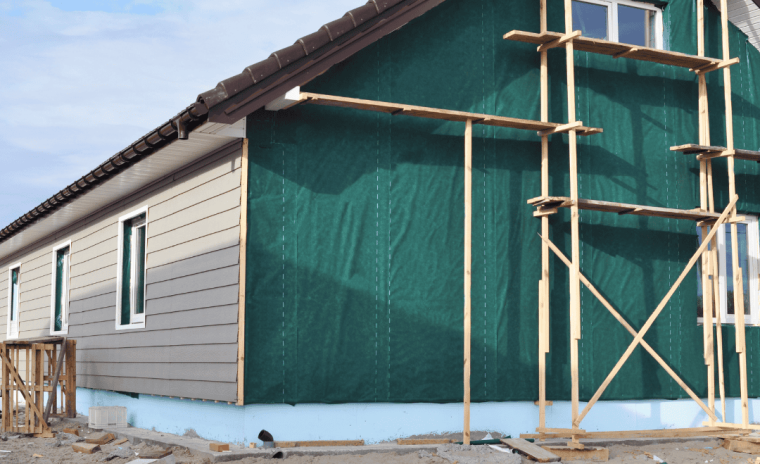
If you are considering new siding for your home in Ashburn, VA, you are not alone. Many homeowners want better protection for their property and a fresh, updated look, but knowing where to begin can feel overwhelming.
With so many materials and techniques to choose from, it helps to understand siding installation before committing to a project. Our goal is to give you clear direction so you can plan confidently, compare options, and avoid common mistakes.
At Total Construction Company Inc., we have served Ashburn, VA, homeowners since 1986, and we know how important it is to feel secure in every decision you make. Whether you are thinking about a DIY project or supervising a professional crew, learning how to install siding correctly sets the stage for long-term results.
Our siding installation guide walks you through material selection, preparation, accurate measuring, and proper installation strategies.
By the end of this blog, you will understand each phase of the siding installation steps, gain helpful siding installation tips, and feel more prepared to move forward with your upgrade.
Understanding Your Siding Options Before You Begin
Choosing the right material is the first step toward a successful project. Living in Ashburn, VA, means you want siding that stands up to humidity, seasonal storms, and temperature swings while keeping your home looking attractive.
Here are key material considerations:
- Vinyl Siding: A cost-friendly favorite, durable, low maintenance, and available in many colors, vinyl is a strong choice for homeowners who want reliable performance without much upkeep.
- Fiber Cement Siding: A strong, stylish option. This material resists moisture, pests, and weather, and it mimics wood without the high maintenance.
- Wood Siding: Warm and classic. Wood gives a timeless look, although it requires more maintenance to protect it from moisture and insects.
- Engineered Wood Siding: A modern and durable choice. Made to look like real wood, it offers added durability and better protection in changing climates.
Before weighing cost alone, think about maintenance, durability, and long-term appearance. Selecting the right material sets the foundation for the rest of the siding installation process.
Preparing Your Home for Installation
Good preparation reduces delays and ensures your new siding performs well for years. This step often makes the biggest difference in results.
Important preparation tasks include:
- Inspect Existing Walls: Identify possible problems. Look for rot, mold, or moisture issues so repairs can be made before installing new siding.
- Remove Old Materials: Create a clean work surface. Clearing damaged or loose siding ensures your new siding sits correctly and secures tightly.
- Check Insulation: Improve energy efficiency. This is the perfect time to evaluate your insulation and make upgrades if necessary.
- Protect Landscaping: Keep your yard safe. Cover bushes, walkways, and outdoor items to prevent accidental damage during installation.
A clean and well-prepared exterior helps avoid delays and improves the accuracy of your siding installation.
Measuring Accurately for a Smooth Installation
Accurate measurements ensure you have enough material to complete the job without waste or last-minute runs to the store. Proper measuring also helps your siding align correctly and look consistent across the home.
Use this simple checklist:
- Measure Each Wall: Get reliable numbers. Record the height and width of each wall and multiply them to determine square footage.
- Account for Doors and Windows: Prevent extra waste. Subtract openings to calculate the exact amount of siding needed.
- Plan for Overlaps: Keep material secure. Siding pieces overlap by design, so add extra material to maintain proper coverage.
- Include Starter Strips and Accessories: Support your layout: These elements ensure your first row sits correctly and stays level.
Accurate measuring is one of the most important siding installation tips, saving time, money, and frustration during the build.
Gathering the Right Tools for the Job
Having the right tools ensures an easier, safer, and more precise installation. Whether you plan to install siding yourself or simply want to understand what your contractor will use, these tools make up the core kit.
Your essential tool list:
- Leveling Tools: Keep every row straight. Use a carpenter’s level or laser level to maintain clean lines across each wall.
- Cutting Tools: Shape siding to fit your home. A circular saw or utility knife helps create clean cuts around windows, doors, and corners.
- Fastening Tools: Secure each panel correctly. A hammer or nail gun ensures proper spacing and attachment without restricting movement.
- Safety Gear: Protect yourself throughout the project. Gloves, goggles, and stable ladders keep the installation safe from start to finish.
With the right tools and preparation, your siding installation guide becomes easier to follow and much more predictable.
Starting the Installation With a Solid Beginning Row
Your starter row influences the entire project. If the first row leans even slightly, that tilt travels upward and affects the rest of the siding.
Follow these steps for a smooth start:
- Install a Starter Strip: Create a true baseline. This strip holds your first siding panel in place and keeps everything level.
- Check Level Twice: Avoid alignment problems. A level starter row ensures cleaner, straighter siding lines.
- Leave Proper Gaps: Allow material movement. Siding expands and contracts with temperature changes, so leave small gaps near edges.
- Secure Panels Correctly: Support longevity. Fasten siding so it stays in place without being too tight or too loose.
This step sets up the rest of the siding installation process for success and helps avoid crooked lines or buckling.
Installing Successive Rows With Consistency
Once the first row is in place, you can move upward with confidence. Slow and steady progress ensures accuracy.
Keep these tips in mind:
- Overlap Panels Properly: Improve strength and appearance. Overlapping helps keep moisture out and gives siding its finished look.
- Stagger Seams: Avoid a patterned appearance. Shifting seams makes the wall appear more uniform and polished.
- Check Alignment Regularly: Maintain clean lines. Periodic leveling helps prevent minor issues from growing into big problems.
- Fit Panels Around Openings: Create clean edges. Make careful cuts for windows, doors, and exterior features to keep everything tight and neat.
Following consistent siding installation steps ensures a smooth, professional-looking finish that lasts.
Final Touches and Weatherproofing
Once all siding panels are installed, the finishing details help keep your home protected and improve long-term performance.
Consider these final tasks:
- Install Trim Pieces: Seal corners and edges. Trim improves appearance and protects seams from moisture.
- Seal Gaps Properly: Block water and air. Applying caulk in the right areas keeps the structure protected from drafts and leaks.
- Inspect Every Wall: Confirm quality. A full inspection ensures consistent fastening, clean edges, and accurate alignment.
- Clean Work Areas: Leave your home safe. Removing debris and leftover materials wraps up the project neatly.
These finishing steps are your final layer of protection against weather challenges in Ashburn, VA.
Maintenance Tips to Keep Your Siding Looking Great
Good maintenance helps siding last longer and stay attractive, especially in a climate that shifts between hot summers and cold winters.
Useful maintenance practices include:
- Wash Siding Gently: Remove dirt and mildew. A light scrub with mild detergent keeps surfaces clean.
- Inspect Seasonally: Spot problems early. Look for cracks, loose panels, or moisture concerns during spring and fall.
- Trim Landscaping: Prevent scratches and wear. Trees and bushes can rub against siding, causing damage over time.
- Check Caulking and Sealant: Maintain weather protection. Refreshing sealants helps prevent moisture from entering gaps.
With regular care and attention, your new siding will stay strong and attractive for many years.
Conclusion
Siding installation is a project that becomes much easier when you understand the steps involved, the tools required, and the methods that support long-lasting results. Whether you plan to install siding yourself or hire a professional team, knowing how to install siding prepares you to make confident decisions about your home.
At Total Construction Company Inc., we pride ourselves on reliable service, professional crews, and a long history of helping Ashburn, VA, homeowners improve their properties. If you are thinking about upgrading your siding or want guidance before starting your project, we are here to help.
Call us at (703) 201-3361 to schedule a friendly, no-pressure consultation. We look forward to supporting your next home improvement project.
